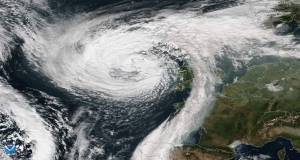
In 2099, it never rains, but it pours
The familiar North Atlantic drizzle may be giving way to more forceful, building-battering rain. A new study
warns of shifting patterns that will test the resilience of structures, writes Toby Cambray.

The upgrade of Ireland's retrofit target to A3 marks a critical step forward, bridging the gap between energy modelling and real-world performance, explains Dr. Marc Ó Riain.
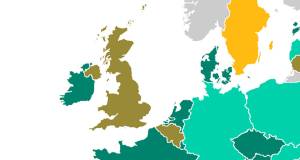
As electricity decarbonises, the case for switching from fossil fuel boilers to efficient use of electricity to heat buildings via heat pumps has become overwhelming. But in markets like the UK where electricity is far more expensive than the European average, and people on low incomes may be chronically underheating poorly insulated homes, could a drive to electrify heating exacerbate energy poverty?
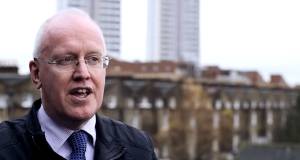
Peter Rickaby looks back on an extraordinary career, the challenge of convincing people of the need for a new approach to buildings, and the people who helped him to do just that.
One of Europe’s key climate breakthroughs came in the form of the EU’s nearly zero energy building target, as Dr. Marc Ó Riain explains in the latest part of his series on the history of low energy building.

In the latest piece in his series on the development of low energy building, Dr Marc Ó Riain describes the evolution and Impact of EPCs in Ireland and the UK.

The construction industry is moving in great numbers towards the passive house standard. In an adapted version of a speech at the Construction Industry Federation Conference in September, Passive House Association of Ireland chair Caroline Ashe Brady looks at the trek ahead.

Recent analysis has suggested a slowdown in the property sector for 2024, but what impact might a drop in inflation have? Mel Reynolds runs the numbers.
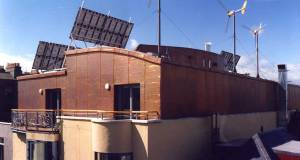
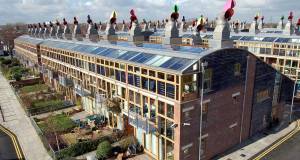
In the face of an affordability crisis, first time buyers of new homes are being offered a cocktail of incentives to help them get on the property ladder, including the government’s Help to Buy and First Home schemes. Mel Reynolds asks: are these the solution to the affordability crisis?
Advances in building physics in recent years are leading to an ever-increasing understanding among experts of the risks that a litany of pollutants can pose to building occupants. But this has not stopped vulnerable people from living – and dying - in substandard buildings that exacerbate these risks. Urgent action is needed, Toby Cambray explains, to better communicate and decisively tackle the risks buildings can pose to their occupants.
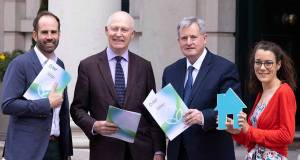
While significant progress continues to be made on reducing the carbon emissions associated with heating and powering buildings, the other part of whole life carbon calculation, embodied carbon, has proved more elusive. But that may be about to change, and quickly, as Stephen Barrett of the Irish Green Building Council (IGBC) explains.
How flexible can heat pumps be to handle what may be inexactly defined heating demands, asks Toby Cambray?
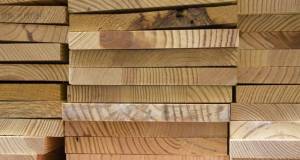
Mass timber comes into its own in terms of decarbonising tall buildings, which tend to rely on high embodied carbon materials such as steel and reinforced concrete. But regulatory change is needed to enable mass timber to fulfil its potential, as IGBC head of policy and advocacy Marion Jammet explains.
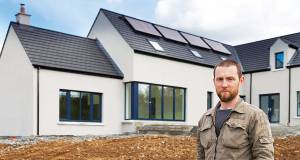
Editor Jeff Colley remembers Paul Doran, one of Ireland's foremost builders, who has tragically passed away.
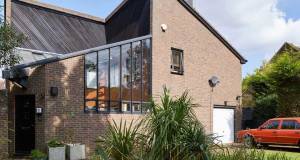
In the latest missive in his series on the history of low energy design, Dr Marc Ó'Riain looks to some wacky and wonderful experimentation in a project that aimed to transform public perception of Milton Keynes.
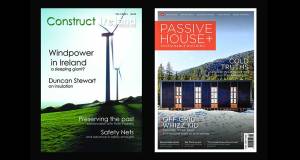
To kick start the new year, have a listen to co-founders Jeff Colley and Dan Hyde on what they've learned in the 20 years since our first issue came out.

In the #BuildingLife Ambassador Spotlight Series, Passive House Plus is profiling leaders who have endorsed the Irish Green Building Council’s call to address the environmental impacts of buildings across their lifecycle.