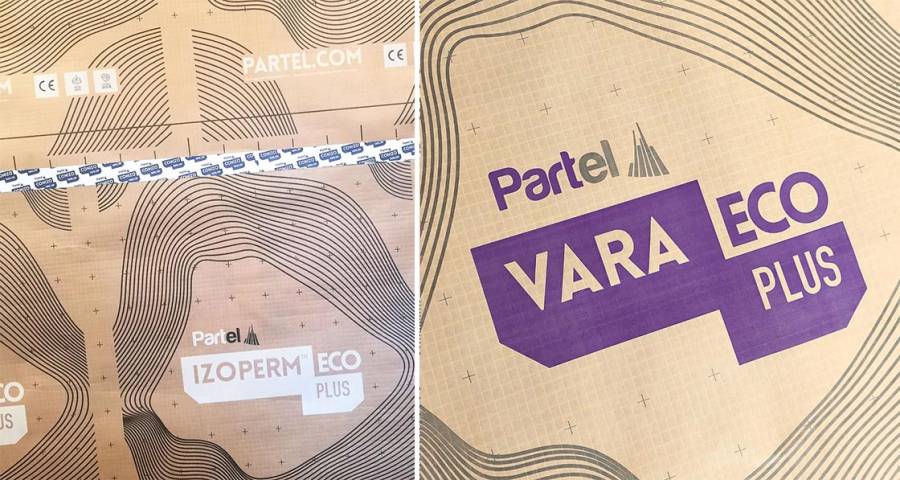
Partel launches paper-based membranes
Galway-based sustainable building
product supplier Partel has launched
two new paper-based membrane products,
Izoperm Plus Eco and Vara Plus Eco.

Carbon emissions originating from the construction and operation of buildings in Ireland constitute a significant portion of the country’s overall emissions, amounting to 37 per cent.
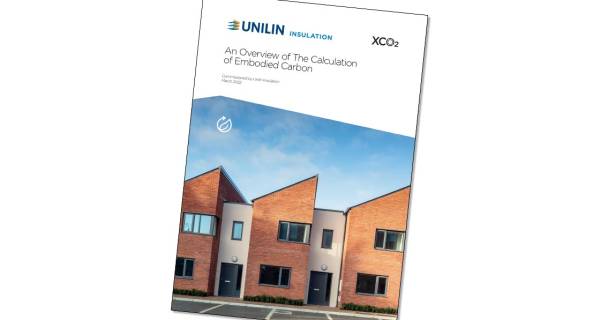
Leading insulation manufacturer Unilin has produced a report on calculating and reducing embodied carbon while using the company’s products.

In this #BuildingLife Ambassador Spotlight Series, Passive House Plus is profiling leaders who have endorsed the Irish Green Building Council’s (IGBC) call to address the environmental impacts of buildings across their lifecycle.
Ireland and the European Investment Bank (EIB) today reached an agreement that paves the way for government-backed, low-interest home energy upgrade loans. The agreement marks a major milestone in the development of the loan scheme which will be underpinned by resources from the EIB Group.
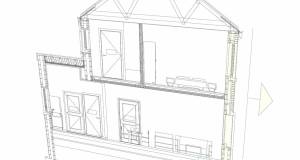
The climate emergency demands that we minimise the energy we use to operate buildings, as well as the energy we use to construct new buildings, where new buildings are needed. A Passive House Association of Ireland-commissioned analysis may start to shed some light on the embodied carbon impact that different build methods can have.

In issue 38 of Passive House Plus we published an in-depth assessment comparing the build specs including five wall types to a typical Irish house. To enable the industry to fairly compare a broader range of build options, we now expand that analysis with the addition of four timber frame wall types and two insulated concrete formwork systems
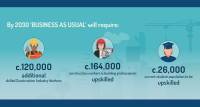
Research, led by Technological University of the Shannon, has identified significant skills and labour shortages in the built environment sector. The study highlights how this challenges Ireland in reaching its climate targets and points out possible solutions.
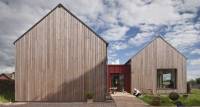
Can a low energy building be truly sustainable if it doesn’t fully consider its occupants needs? The latest offering from one of Scotland’s leading green designers uses passive house knowhow to signal the way to pragmatic, modest, occupant-centric architecture.
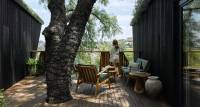
We take a look at Pepper Tree Passive House, a small secondary dwelling attached to a young family’s home in the Australian Illawarra region.