Electronic recycling

“Electrical waste is one of the fastest growing waste streams in Ireland. It is a source of valuable materials which can readily be recycled and which we must divert from landfill”, Minister Martin Cullen, 19 February 2003.

“Electrical waste is one of the fastest growing waste streams in Ireland. It is a source of valuable materials which can readily be recycled and which we must divert from landfill”, Minister Martin Cullen, 19 February 2003.

Everyone agrees that the standard of building materials must be maintained but is localised technical certification resulting in a death of innovative and environmentally friendly building products and systems reaching the Irish market? Construct Ireland's Jason Walsh & Jeff Colley investigate.

Fingal County Council have clearly shown a laudable commitment to innovation by introducing a mandatory planning requirement for seven areas that all new developments reduce energy use and C02 emissions relating to space & water heating to 60% below Building Regulations requirements, with 30% of space & water heating coming from renewable energy sources
Everyone knows that the cheapest way of doing something can turn out to be very expensive in the end. The decision to make Ireland ’s electricity system so reliant on gas is about to bear this principle out. By Richard Douthwaite.

If you’re not assessing the environmental performance of your suppliers and their products, it’s rapidly becoming a case of “caveat emptor”. Many of the world’s biggest companies are now buying green, and the Irish government is about to follow suit. Ignore the issue and you put your company at a competitive disadvantage, argues Brian O’Kennedy, managing director of Clearstream Solutions
In
issue 2 we reported on an innovative new energy bike scheme being
implemented in Sligo. Its instigator, Wilhelm Bodewigs, got in touch to
tell us about an interesting Tram system proposal for the county


Archie O’Donnell, projects coordinator for Éasca and the Irish Passive House Association

Eamon Ryan, former Minister for Communications, Energy and Natural Resources (2007-2011)
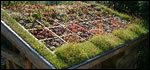
In this adapted extract from his new book Natural Building: A Guide to Materials and Techniques, seminal eco architect Professor Tom Woolley outlines some of the reasons why natural building is necessary.