Irish construction industry has long opposition to higher standards
This article, originally published in 2012, details the Irish building industry's history of opposition to higher standards.
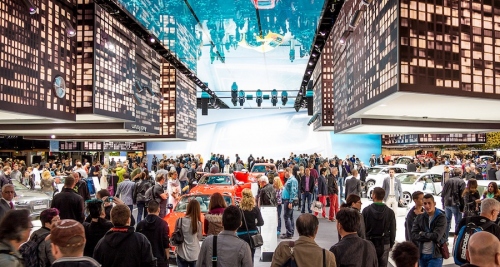
The expression ‘from a needle to an anchor’ comes to mind after having spent a day walking through the 17 halls of the Munich Exhibition for the biennial BAU.
The 2014 UK Passivhaus conference, held this year in Stevenage, was, like the previous such events, completely packed. Discussion centred around fine tuning of financing, delivery and performance — and on how to bring the wider construction sector on board the passive house agenda.
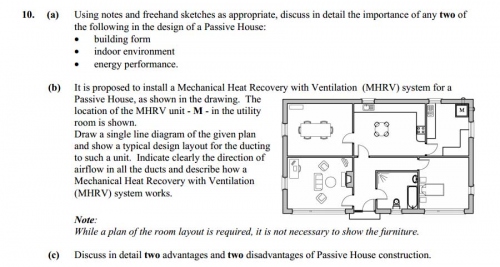
I believe the children are our future, as the stomach-churningly saccharine song line goes. If the emerging evidence from recent Irish 2nd level exam papers are anything to go by, the construction studies teachers share that sentiment, and are ensuring that the next generation of Irish designers and contractors will have a detailed understanding of how to design and construct passive houses.
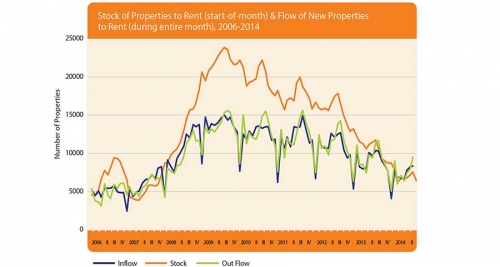
Leading Irish property portal Daft.ie’s latest quarterly rental report was published this week, and included an assertion on the link between construction and planning requirements and the profitability of development – an assertion our editor felt Jeff Colley compelled to debunk.
What’s not to like about building regulations that demand 60% energy savings compared to boom time standards, and mandate the use of renewable energy? Glitches in the guidance documents, that’s what – glitches that unwittingly disincentivise energy efficiency best practice and risk causing building damage and compromising occupant health.
In this blog post, Paul Doran recalls the challenges and lessons of building a low energy home on a tight budget for his family.
The Minister for Communications, Energy and Natural Resources launched the energy policy green paper for Ireland on May 12, marking the beginning of a ten-week public consultation on the future shape of Ireland’s energy policy.
Having spent a year and a half doing research into what houses we should be building in the 21st century, I have never ventured far from the Passive House standard. The reason for this is that it makes sense! That's not to say that I haven't come across criticism.
Airtightness expert Mark Shirley of Zephair reports from the International Passive House Conference in Aachen - with Irish low energy expertise attracting significant attention, and signs of a rapidly growing UK presence in passive house.
April 7 saw the opening of the five-day meeting in Germany, between government representatives and scientists of the Intergovernmental Panel on Climate Change (IPCC), to finalise the third report in a four part series, assessing the options for mitigating climate change and the underlying technical, economic and institutional requirements. Last month saw the release of the second report from the IPCC, in Yokohama, Japan on 31 March.
In the new issue of Passive House Plus, architect David Hughes argues that instead of investing tens of billions of euro upgrading its electricity infrastructure and building wind farms, Ireland should instead invest the money in the energy retrofit of its building stock.
That’s the question I want to ask today. I’m talking mostly about the situation in Ireland, because it’s the one I’m more familiar with things over here — particularly with regards to building regulations. But the same might apply to the UK.
Check out this video below of Passive House Institute founder Prof Wolfgang Feist speaking at last year's See The Light conference in Dublin, which was organised by the Passive House Association of Ireland.
As the UK inches towards zero carbon and nearly zero energy building targets, the construction industry must pay increasing attention to the impacts of regulatory changes on design and construction, argues Passive House Academy founder Tomás O’Leary. But will homes designed using the UK’s national methodology come close to passive house levels of comfort?
The Irish Department of Environment has confirmed to Passive House Plus that its proposed independent committee on climate change will be an expert rather than stakeholder group.
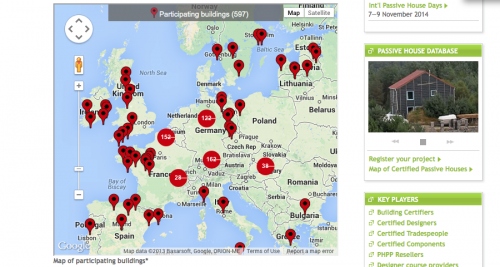
The International Passive House Days, during which passive buildings around the world open their doors to the public, took place this year from November 8-10. This year marked the 10th anniversary of the event.
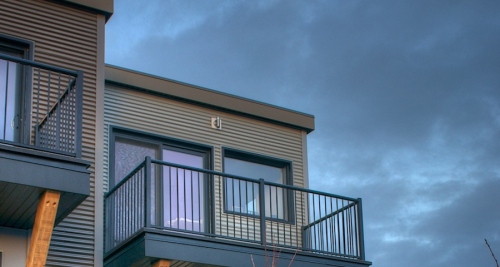
In Yellowknife — the capital of Canada's Northwest Territories — January temperatures average -27C. So warm, low energy housing isn't just about cutting carbon, it's about staying alive.
This report on September's Frankfurt Motor Show, from airtightness expert Mark Shirley of 2eva.ie, looks at the latest technology in fuel efficient and electric vehicles, and draws parellels with low energy building
The Irish Independent reported earlier in the week that the Irish construction sector is set for a stimulus package in next week's budget, including a cut to the 13.5% rate of Vat.