Bubble Rap

RICHARD DOUTHWAITE proposes measures including energy upgrade of the housing stock which could help to avoid economic meltdown, and JAY STUART outlines some energy saving measures which could be rolled out.

Welcome to the archive of Construct Ireland, the award-winning Irish green building magazine which spawned Passive House Plus.
The feature articles in these archives span from 2003 to 2011, including case studies on hundreds of Irish sustainable buildings and dozens of investigative pieces on everything from green design and building methods, to the economic arguments for low energy construction.
While these articles appeared in an Irish publication, the vast majority of the content is relevant to our new audience in the UK and further afield. That said, readers from some regions should take care when reading some of the design advice - lots of south facing glazing in New Zealand may not be the wisest choice, for instance.
Dip in, and enjoy!
RICHARD DOUTHWAITE proposes measures including energy upgrade of the housing stock which could help to avoid economic meltdown, and JAY STUART outlines some energy saving measures which could be rolled out.


When designing and building high density apartment and housing developments, the attention, so often lacking, to acoustic performance, can have a critical impact on the quality of life of the buildings’ inhabitants, as leading acoustic consultant Jim Dunne, Managing Director of Integrated Acoustic Solutions explains
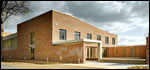
Two years ago Construct Ireland ran a case study on Mater Orchard, a Mercy Sisters convent building that successfully balanced cutting edge technologies with pragmatic green design. Such was the success of that building, its architects were commissioned by Mercy Sisters in Limerick to repeat the feat. John Hearne visited the freshly completed building to find out how they fared
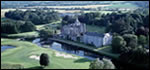
Often regarded as a comfortable stopover for those travelling between Limerick and Killarney, the town of Adare has seen it’s profile upped considerably in recent years with the wonderful restoration and overhaul of the nearby Adare Manor Hotel
Construct Ireland tracked down the busy director of Limerick Civil Trust to talk about the sterling work already done, current projects and to ponder the implications of recent FAS cutbacks.
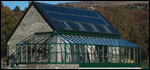
Ernst Posthuma of Solarcon sheds light on a demonstration project in west Cork that combines passive and active solar gains to remarkable effect.
It could be a reflex response to the shockingly poor construction standards that came to define Ireland’s boom years, but the world’s leading low energy building standard is starting to thrive in Ireland. As the several case studies following this article reveal, a groundswell of Irish clients, designers, contractors and manufacturers are starting to recognise the opportunities available in becoming early adopters of a standard destined for exponential global growth.
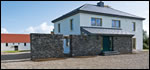
Architect Eva Murphyova creates a modern and sustainable take on the traditional farm settlement with the addition of a new envelope, timber frame extension and sustainable heat sources