Pass Judgement
Passive houses have long been considered the ultimate in low energy buildings. So when it comes to BERs, why don’t they always get a straight A? Lenny Antonelli investigates.

Passive houses have long been considered the ultimate in low energy buildings. So when it comes to BERs, why don’t they always get a straight A? Lenny Antonelli investigates.
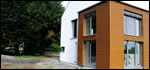
Located in Oldtown, a hard to find country town in County Dublin, is a stunning new one-off house that not only manages to bring open-plan living to rural life, but also meets the onerous passive house standards using low impact materials. Jason Walsh visited the site as the house neared completion to find out more, an opportunity that Construct Ireland couldn’t pass up
It could be a reflex response to the shockingly poor construction standards that came to define Ireland’s boom years, but the world’s leading low energy building standard is starting to thrive in Ireland. As the several case studies following this article reveal, a groundswell of Irish clients, designers, contractors and manufacturers are starting to recognise the opportunities available in becoming early adopters of a standard destined for exponential global growth.
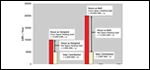
Few concepts in sustainable design have caught on like the passive house. Since the construction of the first passive house in Germany in 1990, an estimated 15 to 20,000 houses have been built to what is arguably the world’s leading low energy building standard. Drawing from his experience in sustainable building since the early 1980s, Bill Quigley of NuTech Renewables posits an alternative approach.
Unipipe are specialist distributors of heat pumps, underfloor heating and renewable low-energy heating systems.