While significant progress continues to be made on reducing the carbon emissions associated with heating and powering buildings, the other part of whole life carbon calculation, embodied carbon, has proved more elusive. But that may be about to change, and quickly, as Stephen Barrett of the Irish Green Building Council (IGBC) explains.
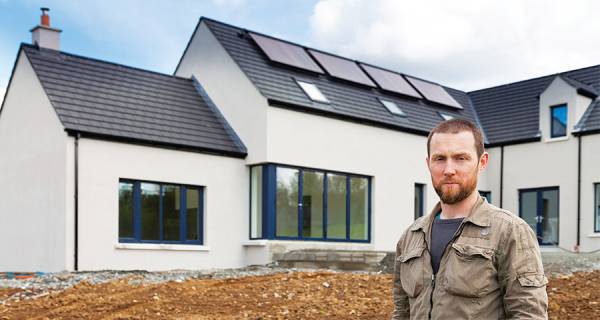
The spectre of high rise and reduced spacing between homes may cast a proverbial and literal shadow over new homes, if an anticipated government policy comes to pass. Mel Reynolds asks: could passive house offer a new route to achieving higher density without reaching for the skies?
How flexible can heat pumps be to handle what may be inexactly defined heating demands, asks Toby Cambray?
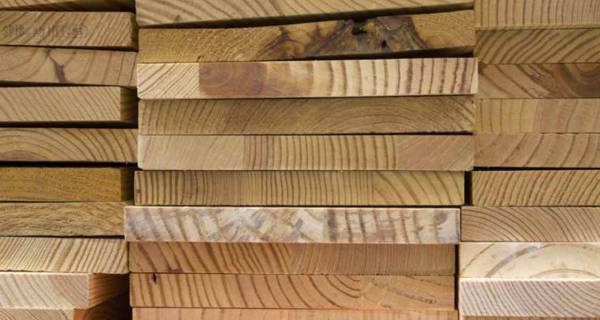
Mass timber comes into its own in terms of decarbonising tall buildings, which tend to rely on high embodied carbon materials such as steel and reinforced concrete. But regulatory change is needed to enable mass timber to fulfil its potential, as IGBC head of policy and advocacy Marion Jammet explains.
Editor Jeff Colley remembers Paul Doran, one of Ireland's foremost builders, who has tragically passed away.
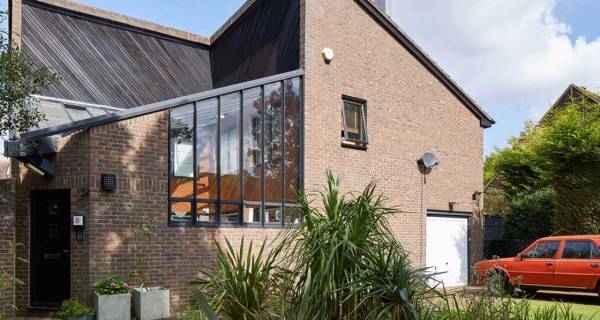
In the latest missive in his series on the history of low energy design, Dr Marc Ó'Riain looks to some wacky and wonderful experimentation in a project that aimed to transform public perception of Milton Keynes.
To kick start the new year, have a listen to co-founders Jeff Colley and Dan Hyde on what they've learned in the 20 years since our first issue came out.
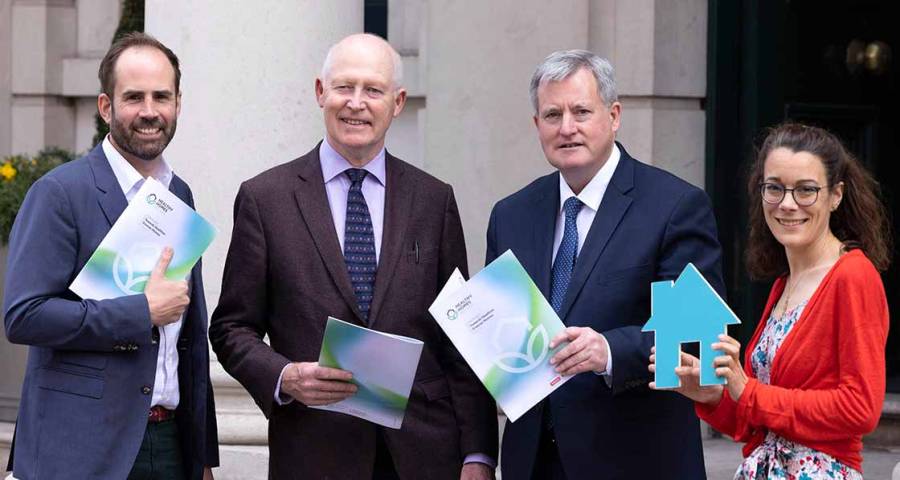
In the #BuildingLife Ambassador Spotlight Series, Passive House Plus is profiling leaders who have endorsed the Irish Green Building Council’s call to address the environmental impacts of buildings across their lifecycle.
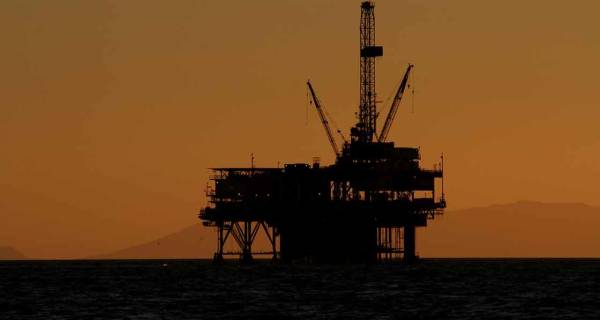
The energy crises of the 1970s did not prompt a major shift in Europe from foreign oil and gas towards energy efficiency and renewables. Will we learn this time around, wonders Dr Marc O Riain
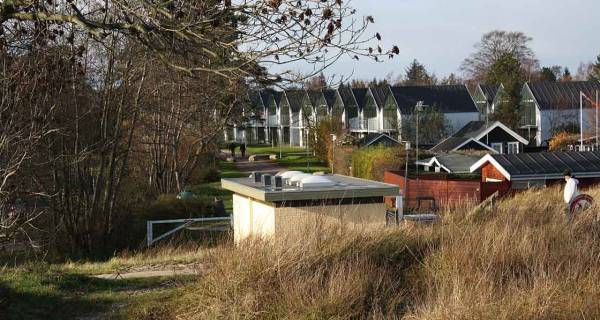
Our abundance of holiday homes and other vacant dwellings could be used to house Ukrainian refugees, writes Mel Reynolds.
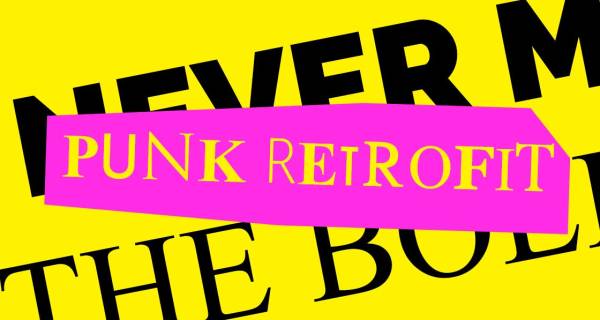
There has been a sleuth of recent reports on how to retrofit Britain’s existing homes, but we must think deeper than the practical matter of reducing energy and carbon, to how we create beautiful places to live, writes Peter Rickaby.
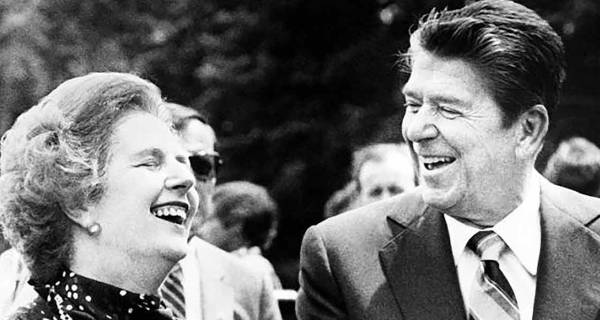
Marc O Riain explores how policy on both side of the Atlantic in the 1980s sabotaged a nascent revolution in renewables and energy conservation.
In the #BuildingLife ambassador spotlight series, Passive House Plus is profiling leaders who have endorsed the Irish Green Building Council’s call to address the environmental impacts of buildings across their lifecycle.
With signs that the corporate world may be starting to move from greenwashing to genuinely grappling with sustainability via environmental, social and governance reporting (ESG), will this create opportunities for the widespread adoption of evidence-based sustainable building? Archie O’Donnell, Passive House Association of Ireland board member and environmental manager with i3PT, finds reasons for optimism.