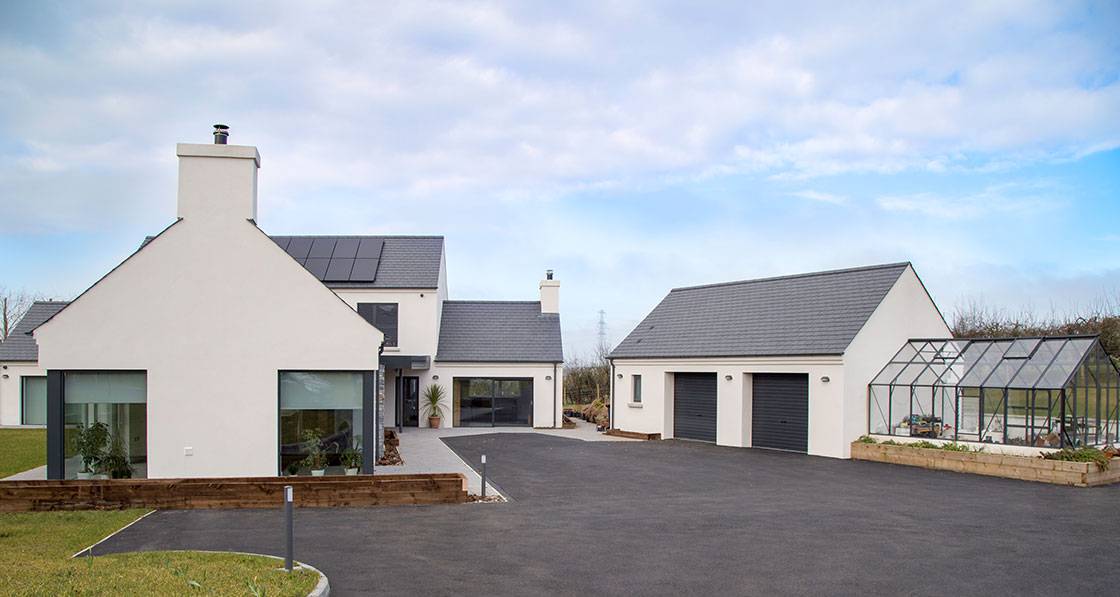
Armagh passive house hides in plain sight
A new family home in County Armagh blends together a traditional, clustered farmhouse style and a modern aesthetic so seamlessly, you would never even guess it’s a certified passive house.

A new family home in County Armagh blends together a traditional, clustered farmhouse style and a modern aesthetic so seamlessly, you would never even guess it’s a certified passive house.
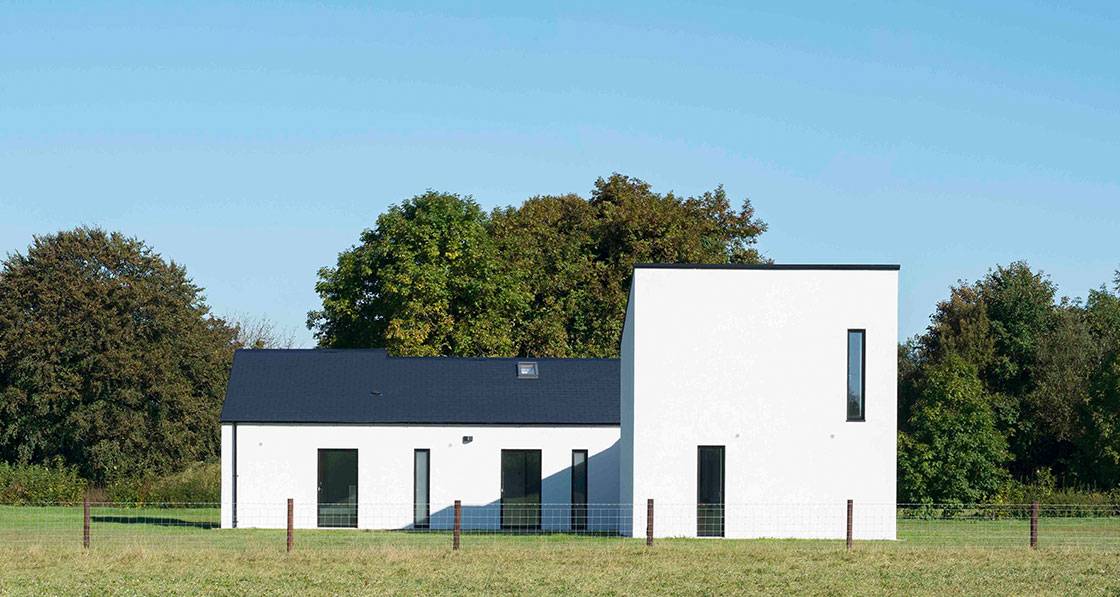
While a tight budget meant some of the more ambitious eco features planned for this simple and graceful new farmhouse had to be dropped, it still manages to meet Ireland’s standard for nearly zero energy buildings (nZEBs) thanks to a combination of superb detailing and fabric-first design.
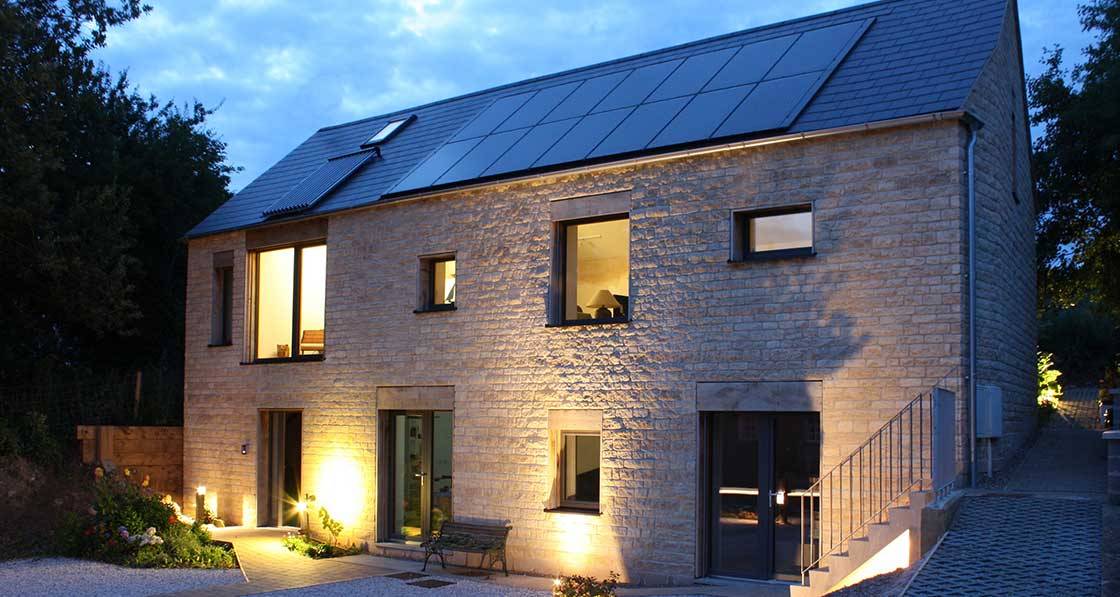
When architect Tony Godwin wandered into a seminar on the passive house standard at Ecobuild ten years ago, it was the start of a journey that would eventually see him design and build his own passive home on a sloping site — and learn some hard lessons along the way to achieving a comfortable, ultra-low energy family home with tiny energy bills.
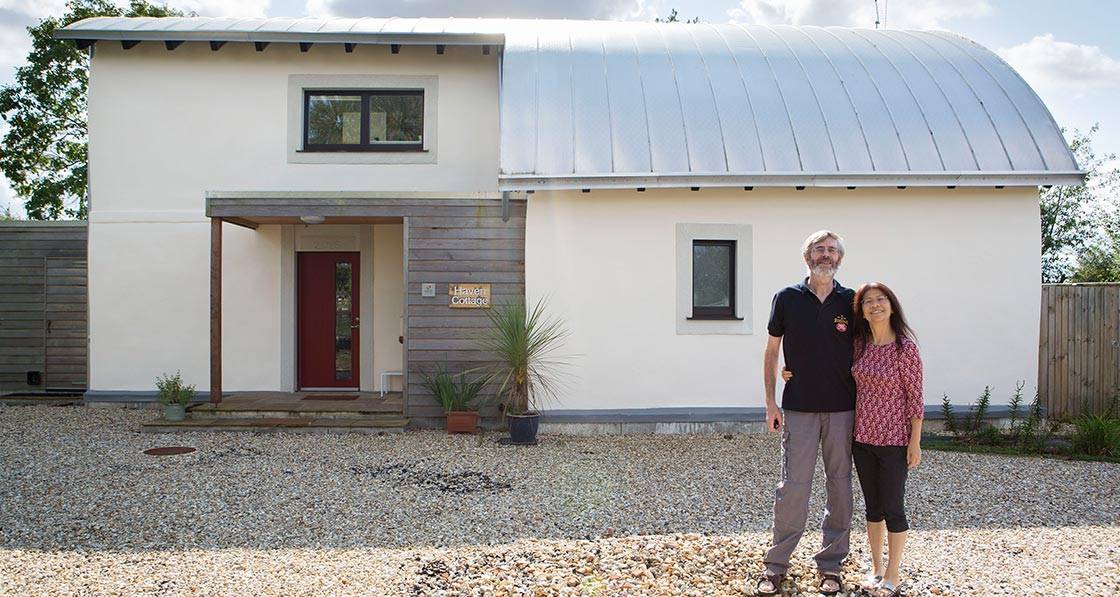
In the classic story of the three little pigs, the big bad wolf may have blown down the first little piggy’s house of straw with consummate ease — but he wasn’t reckoning with this pioneering, energy bill-shredding Suffolk project, the UK’s first load-bearing straw bale passive house

This skilfully designed new passive house in Blackrock manages to be lightfilled and strikingly contemporary while taking its design inspiration from the very ordinary Dublin street on which it sits.
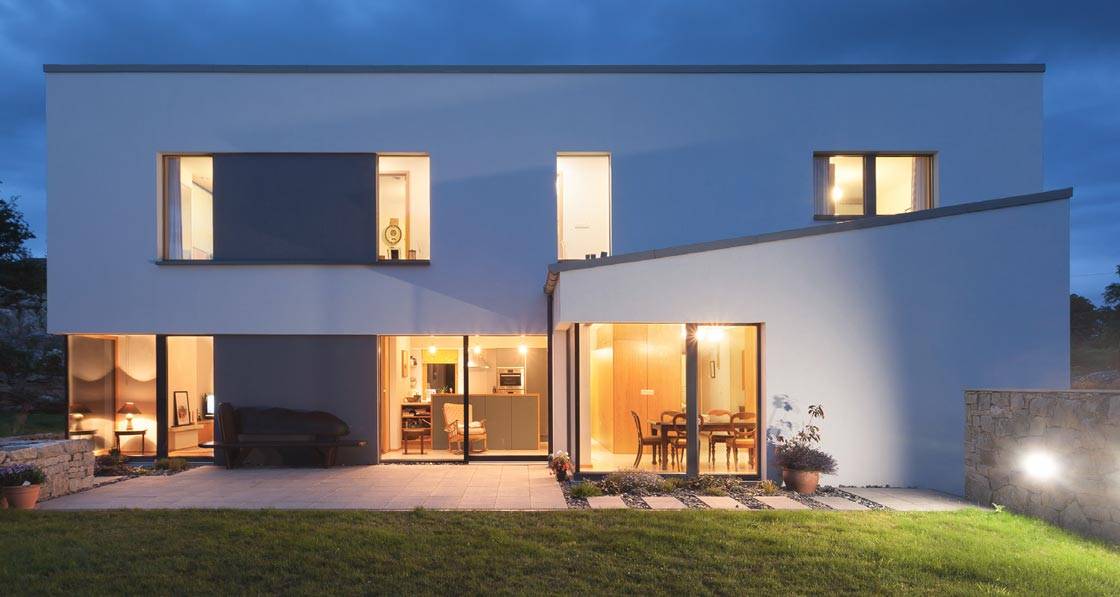
Generational differences in taste were successfully married by a concern for energy efficiency in this contemporary, award-winning passive house in An Spidéal, which comes within a whisker of the nZEB standard.
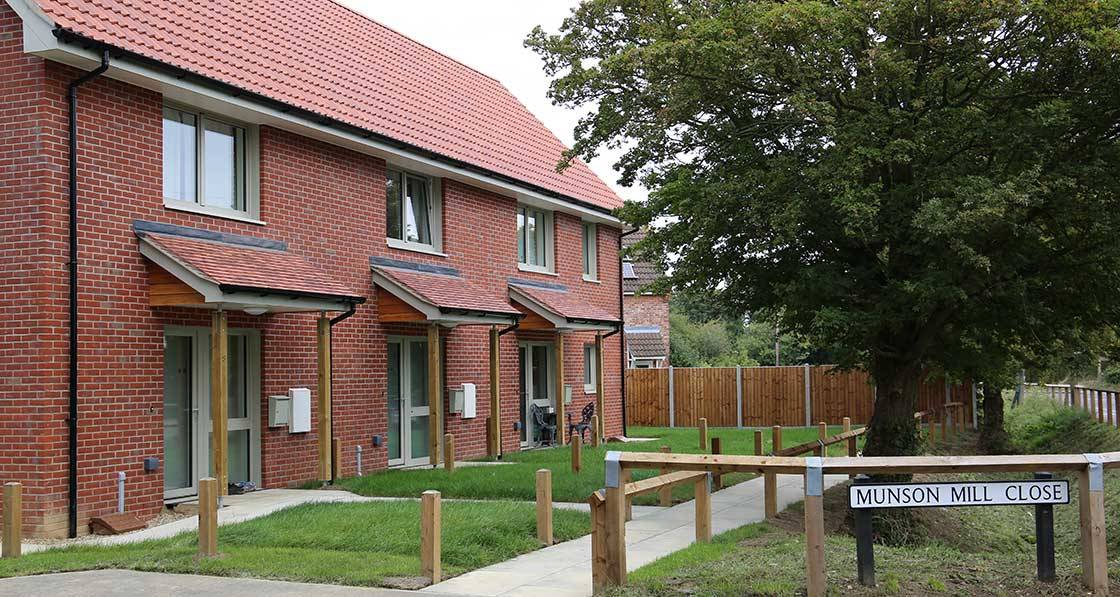
Hastoe Housing, a trailblazer in the development of affordable passive housing, have completed their second scheme in the Essex village of Wimbish — 11 houses whose simple and traditional building methods and materials mask cutting-edge energy efficiency.
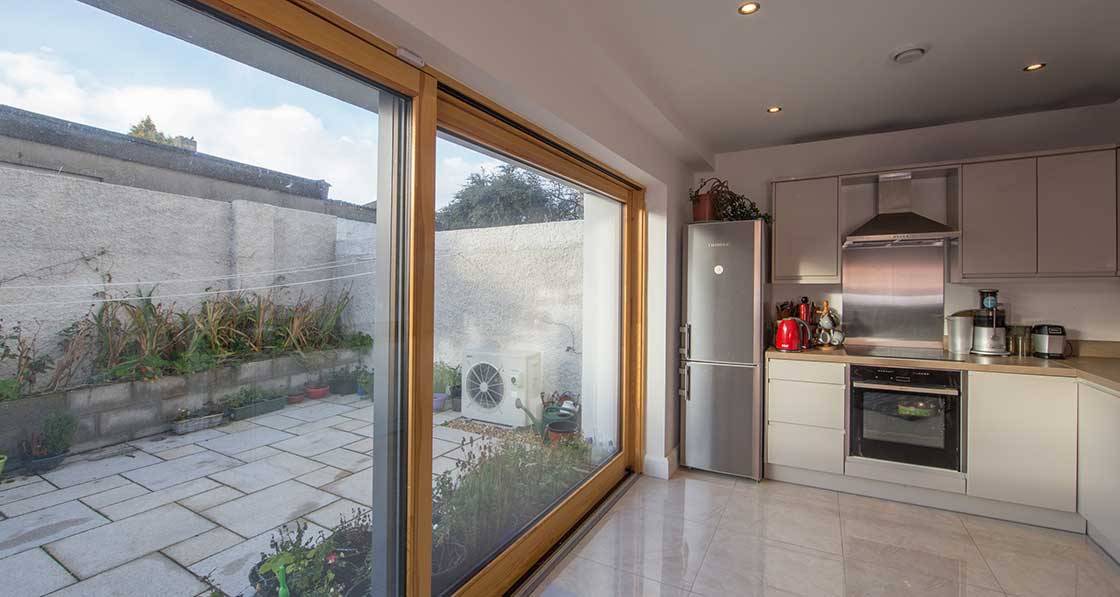
Architect Tom Duffy has long had an interest in green design, and working on a self-build project for himself and his wife he was able to prove a point: making a modest family home to the highest standards need not cost the earth.
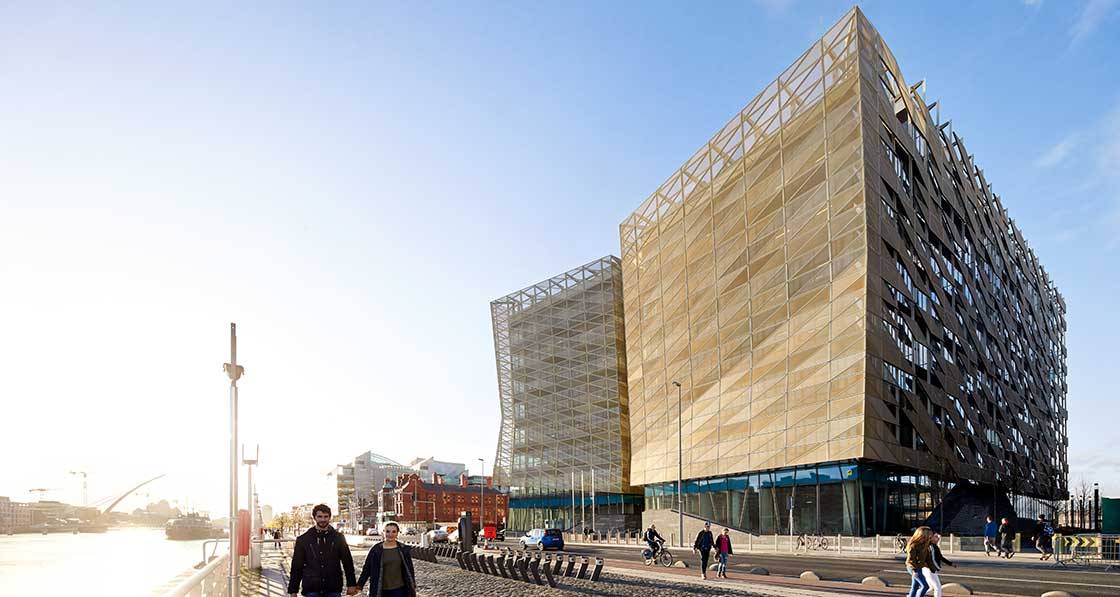
Rising from the shell of the stalled riverside headquarters of Anglo Irish Bank, Ireland’s financial regulator could be accused of insensitivity for choosing as its new home a site that became a toxic symbol of the banking crisis, but the building is not without virtue: it comfortably surpasses the proposed nearly zero energy building standard while achieving the onerous Breeam ‘Outstanding’ rating for sustainability.
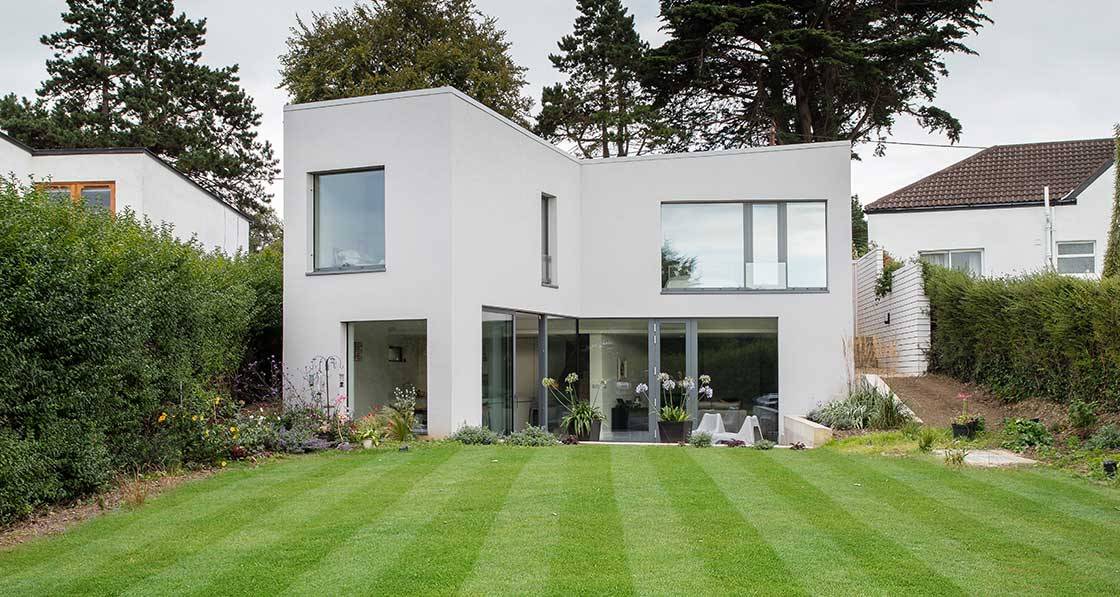
Even in the era of climate change, there still appears to be something of a split in the world of architects between those who prioritise sustainability, energy efficiency and occupant health, and those who put design and aesthetics first. So it’s refreshing to find that the designer of this contemporary Dublin home put so much attention on insulation, airtightness and indoor air quality — as well as good looks.
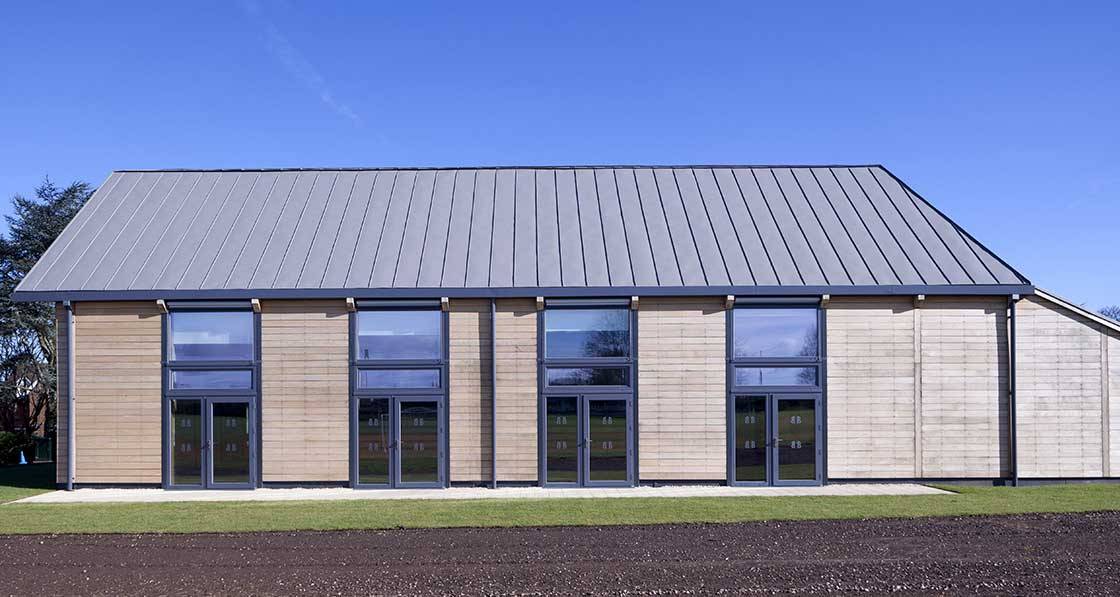
This unique sports and drama hall, inspired by the architecture of local buildings, was built to a new standard that aims to ensure buildings deliver all round health and comfort to their users.
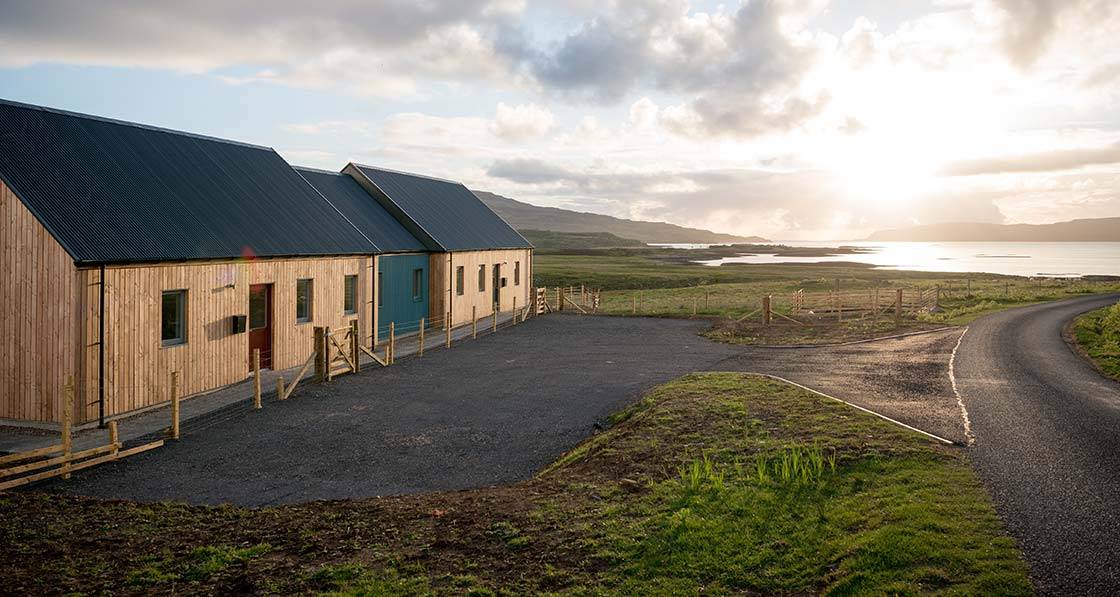
Two spectacular low energy social housing units looking out over Ulva Ferry’s breath-taking surroundings prove to be a superb response to local problems of fuel poverty and lack of affordable family housing.
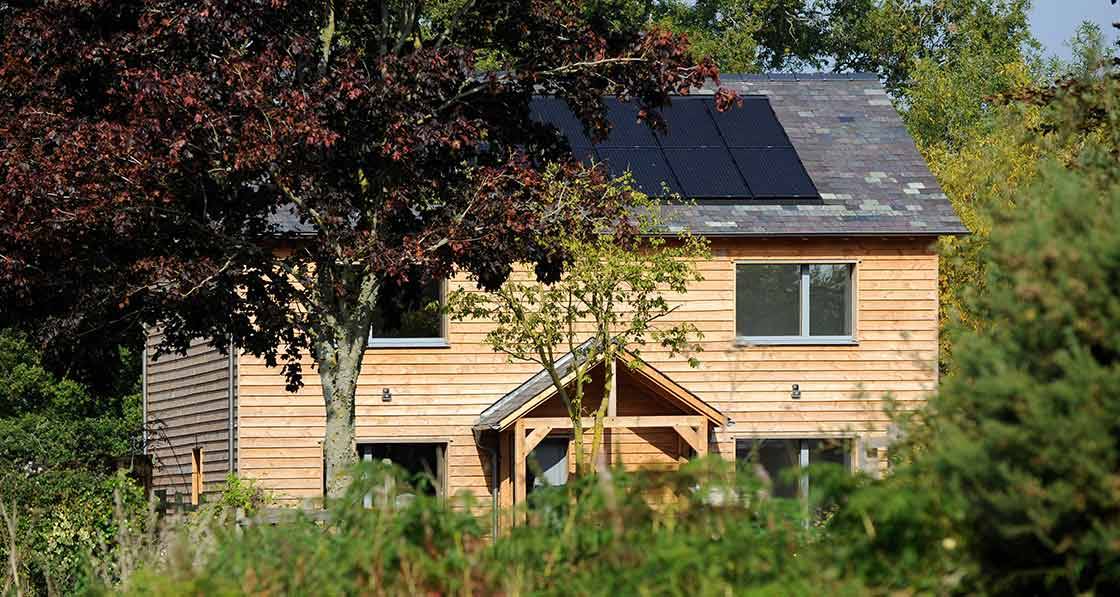
With low electricity and gas bills and a feed-in tariff from its solar photovoltaic array, this simple, ecological timber frame passive house near the Welsh border manages to make about a £50 profit on annual energy costs.
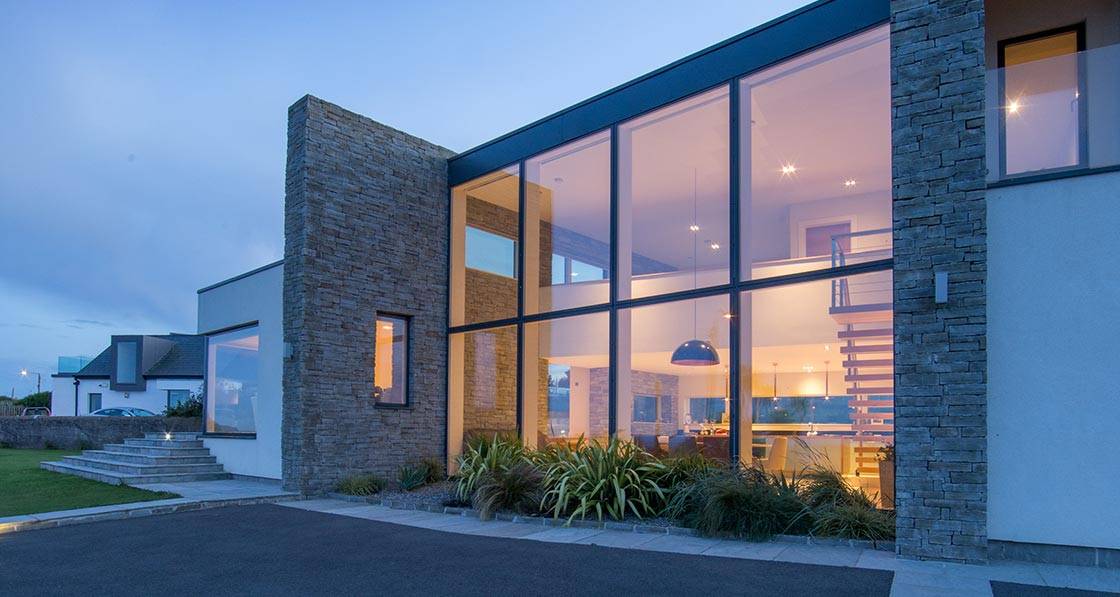
Set on a picturesque coastal plot in north County Dublin, this eye-catching home was built from clay blocks and strives to balance energy efficiency and comfort with expansive sea views.
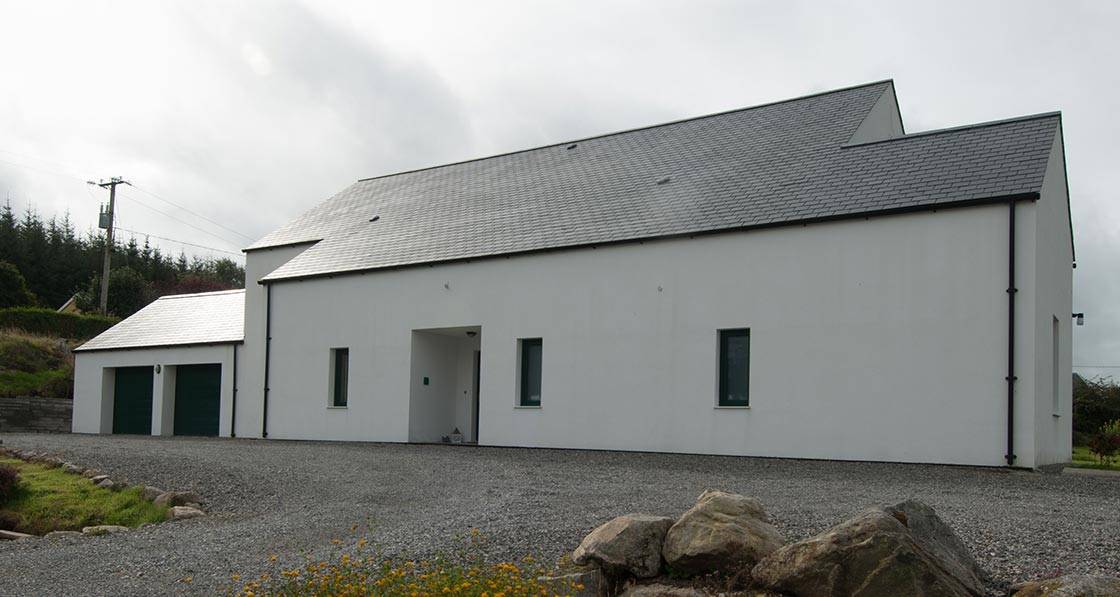
Homeowners Michael and Paula Sheridan say that, living in their farmhouse-inspired Mayo passive house — which includes a highly unorthodox heating system — it’s easy to completely forget how cold it is outside.
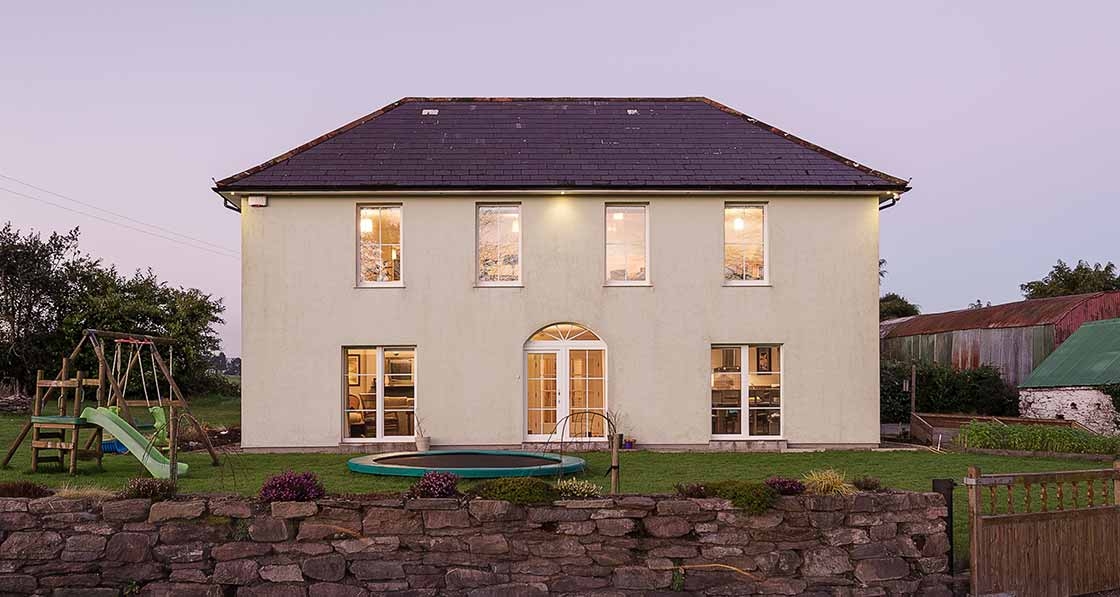
Homeowner Brendan Murphy started self-building his Cork passive house way back in 2010, long before the standard was trendy, and even chose to completely forgo a water-based heating system. So what did he learn from the experience — and how has the house been performing since?
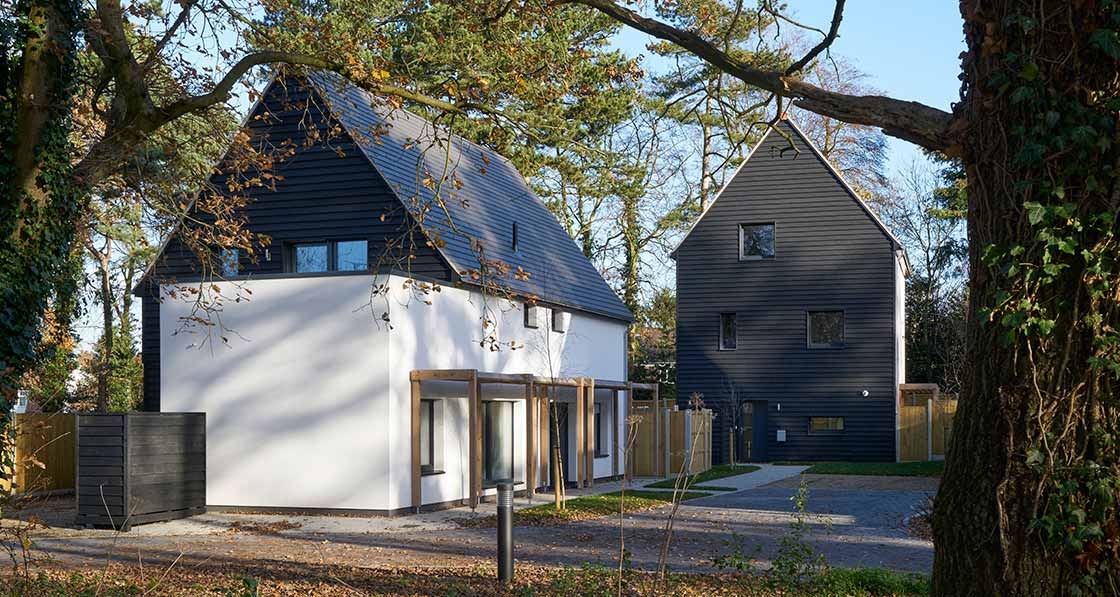
A new development of passive housing on the outskirts of Norwich shows how to combine energy efficiency, ecology and affordability on one exemplary site — and why the city continues to be an unlikely leader in pushing passive house construction in the UK.
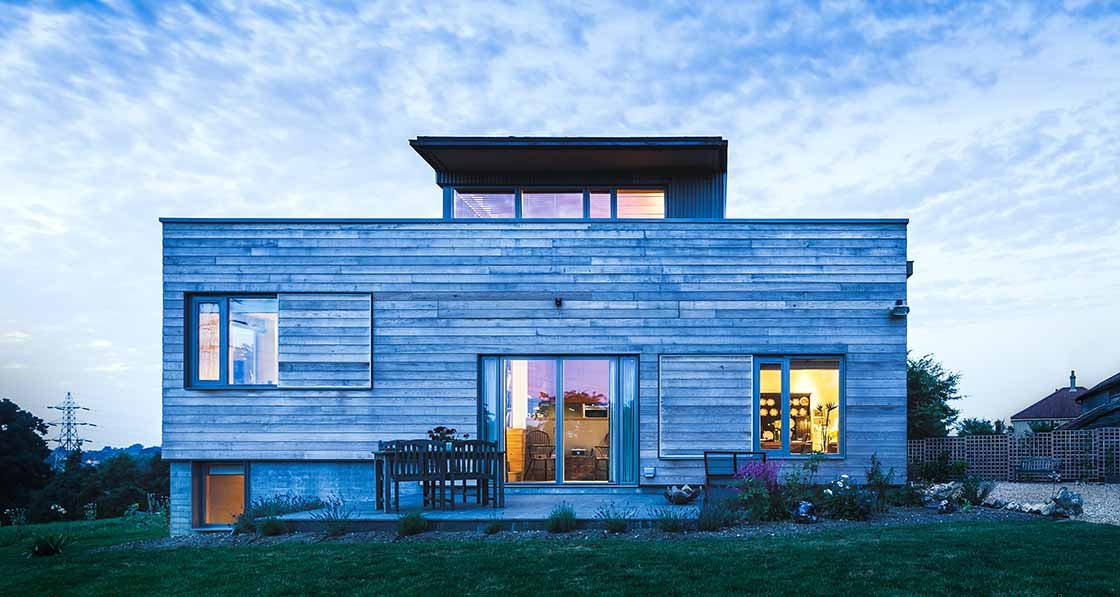
This cellulose-filled timber frame house in the Suffolk countryside combines a rustic timber aesthetic with a simple contemporary form to rest lightly on the land.
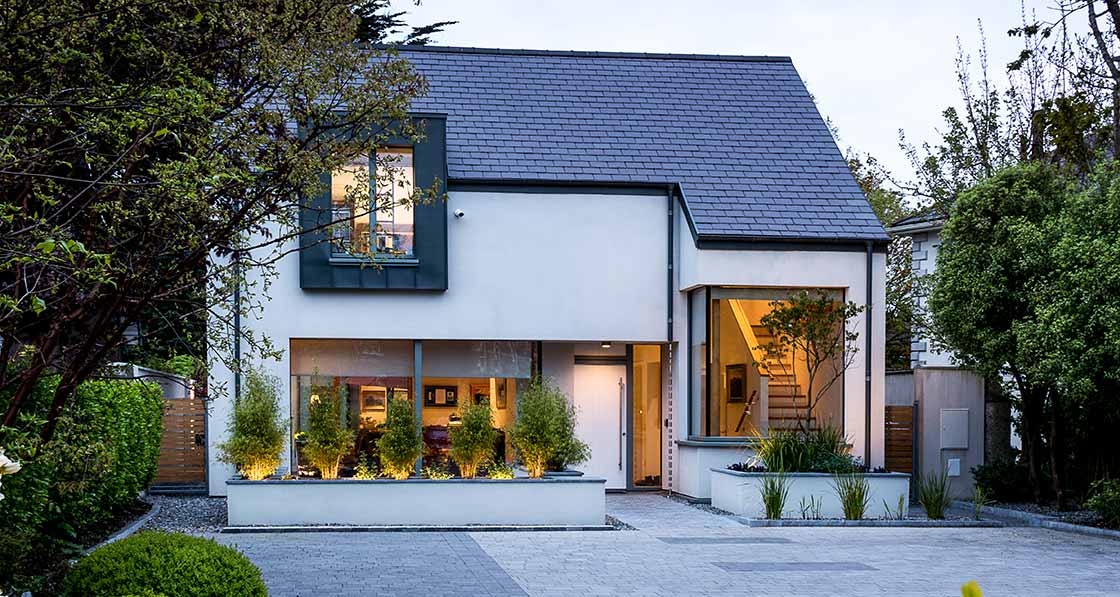
Designing a dwelling to take advantage of the sun’s free heat is a big part of what makes a passive house passive. So how do you meet the low energy standard when your narrow site faces away from the sun and is overshadowed by neighbouring houses and trees, while simultaneously hitting an A1 building energy rating – and with a stunning, architecturally expressive design?
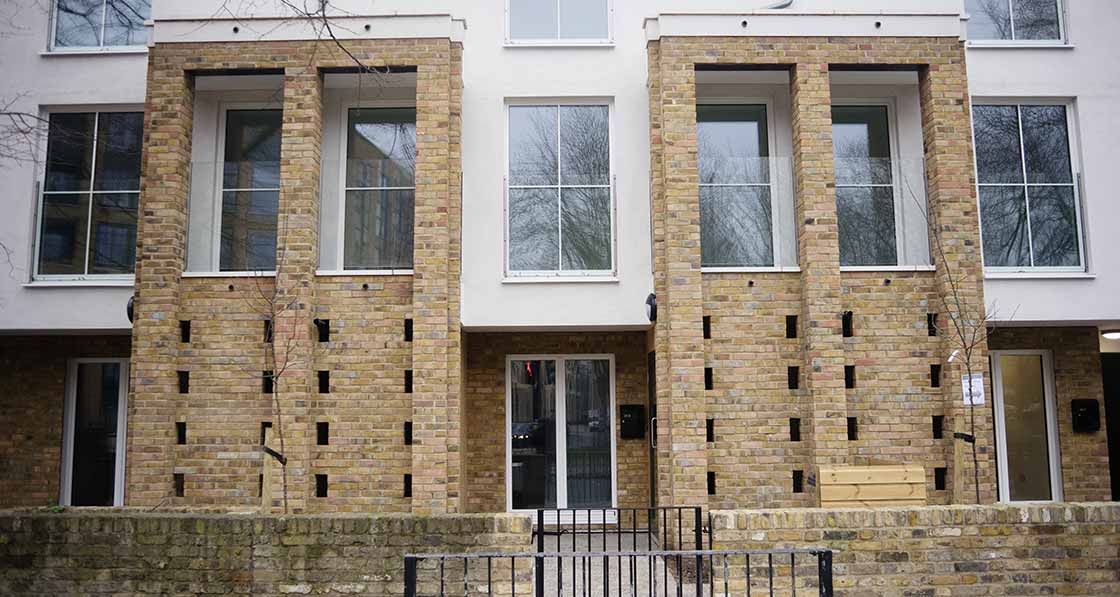
A sensitive development of social housing in Lambeth combines three new passive houses with six low energy flats delicately constructed inside an old Victorian terrace — and with the emphasis on good indoor air quality, residents are already reporting improvements in health & well-being since moving from their old accommodation.
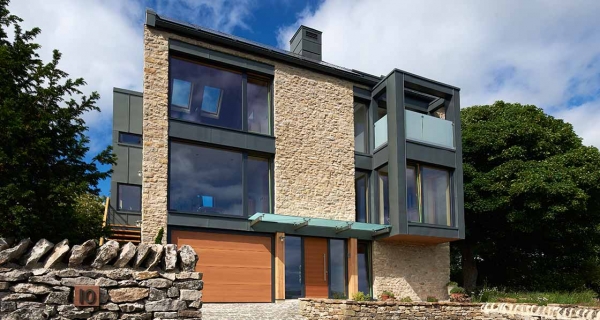
Built with a timber frame insulated with straw-bale, and featuring an extensive suite of ecological and recycled materials, this stunning North Yorkshire home also produces more energy than it consumes, making it the first straw-bale building in the world to reach the brand new ‘passive house plus’ standard.
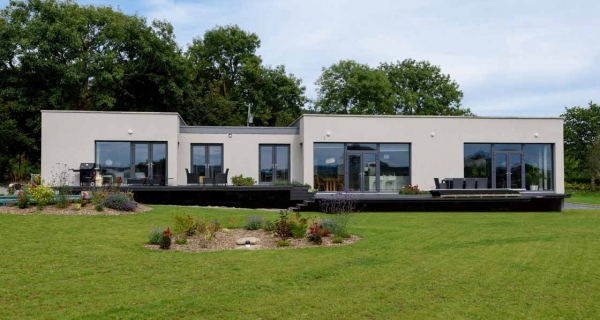
Designed around an existing timber chalet, this striking contemporary house managed to go passive on a budget for one lucky family of six, all while inadvertently blitzing Ireland’s forthcoming nearly zero energy building standard.
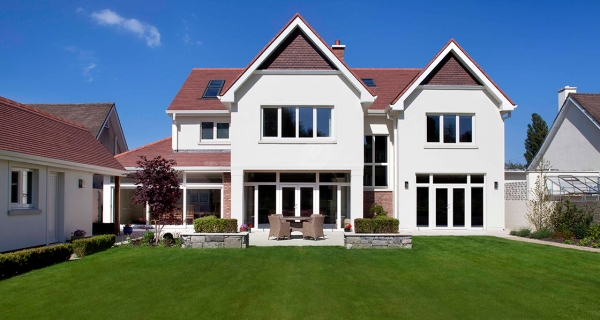
This large family home in south Dublin proves that big homes don’t need to be cold and draughty, comfortably beating Ireland’s planned nearly zero energy building standard for 2021 — even though it was finished in 2015.
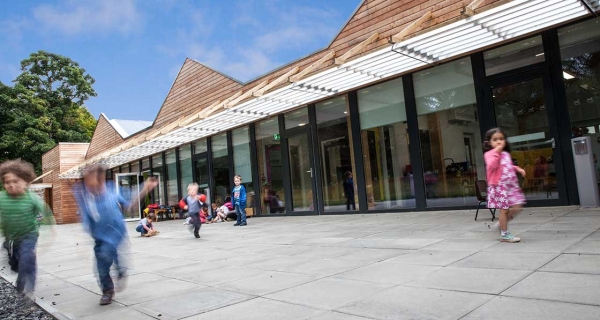
A brand new passive-certified nursery at the University of Aberdeen provides the children of staff and students with a bright, warm and healthy space for learning and playing.